Geopolitical tensions in the Middle East have escalated once again as the United Arab Emirates (UAE), one of the world's premier economic and energy hubs, finds itself targeted by asymmetrical aerial attacks. Recent drone incidents near critical national infrastructure have not only shaken regional security confidence but have also sent shockwaves through global energy markets and maritime shipping lanes.
1. Drone Crash Near ‘Barakah Nuclear Power Plant’: A Global Security Flashpoint
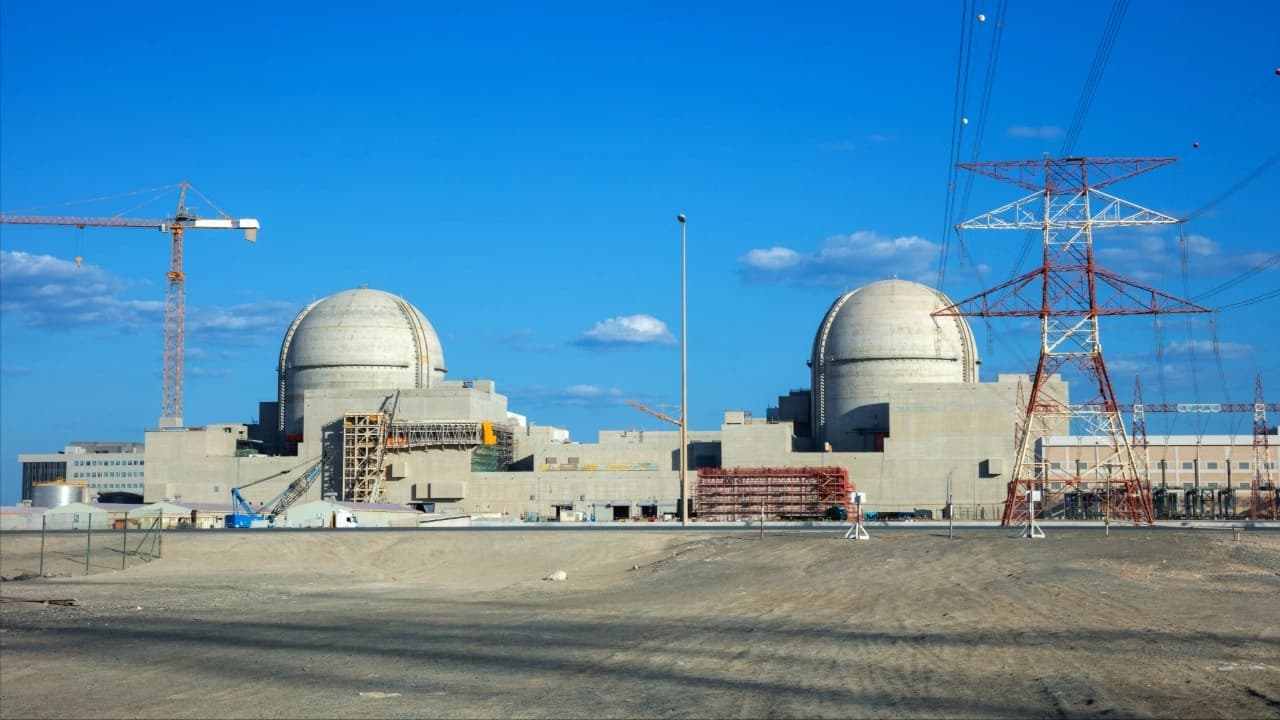
The most alarming incident involved a mystery drone—suspected to be operated by regional proxy groups linked to Iraninfiltrating UAE airspace and crashing near the Barakah Nuclear Power Plant, triggering a localized fire. Although the UAE’s air defense systems responded swiftly and the reactor buildings sustained no direct damage, the fact that long-range attack tech could breach the perimeter of such a sensitive facility has served as a critical wake-up call, forcing international analysts to reassess regional airspace security.
2. Maritime Warfare: Gas Plant Fires and Vessel Seizures
The friction has rapidly extended from land to strategic maritime boundaries:
The Fujairah Port Attacks: Air defenses successfully intercepted incoming missiles aimed at Fujairah, one of the world’s largest bunkering hubs. However, falling debris and shrapnel caused fires at nearby gas and petrochemical facilities, forcing temporary operational shutdowns.
Offshore Seizures: Further complicating the crisis, commercial vessels outside UAE territorial waters were intercepted and seized by unidentified armed groups before being forced to reroute toward Iranian waters, causing immediate gridlock in the Gulf of Oman.
3. The Ripple Effect on Global Oil and Economy
As news of the security breaches near the nuclear plant and petrochemical facilities broke, global markets reacted with immediate volatility:
Spike in Crude Prices: Both West Texas Intermediate (WTI) and Brent crude benchmarks surged instantly as investors feared a prolonged disruption to Middle Eastern oil supplies.
Skyrocketing Shipping and Insurance Costs: Maritime insurers quickly raised War Risk Premiums for all vessels navigating the Persian Gulf, driving up shipping overheads globally.
Conclusion : The UAE’s New Strategic Challenge These events underscore how modern proxy warfare has pivoted toward low-cost, high-impact technologies like loitering munitions (drones) to hit high-value economic targets. For the UAE, the immediate future requires a dual approach: upgrading its air defense shield while balancing diplomatic channels to cool down regional friction before a localized airspace crisis mutates into a full-scale global economic shockwave.