Financial Hub Hits Record 10,018 Active Companies in H1 2026
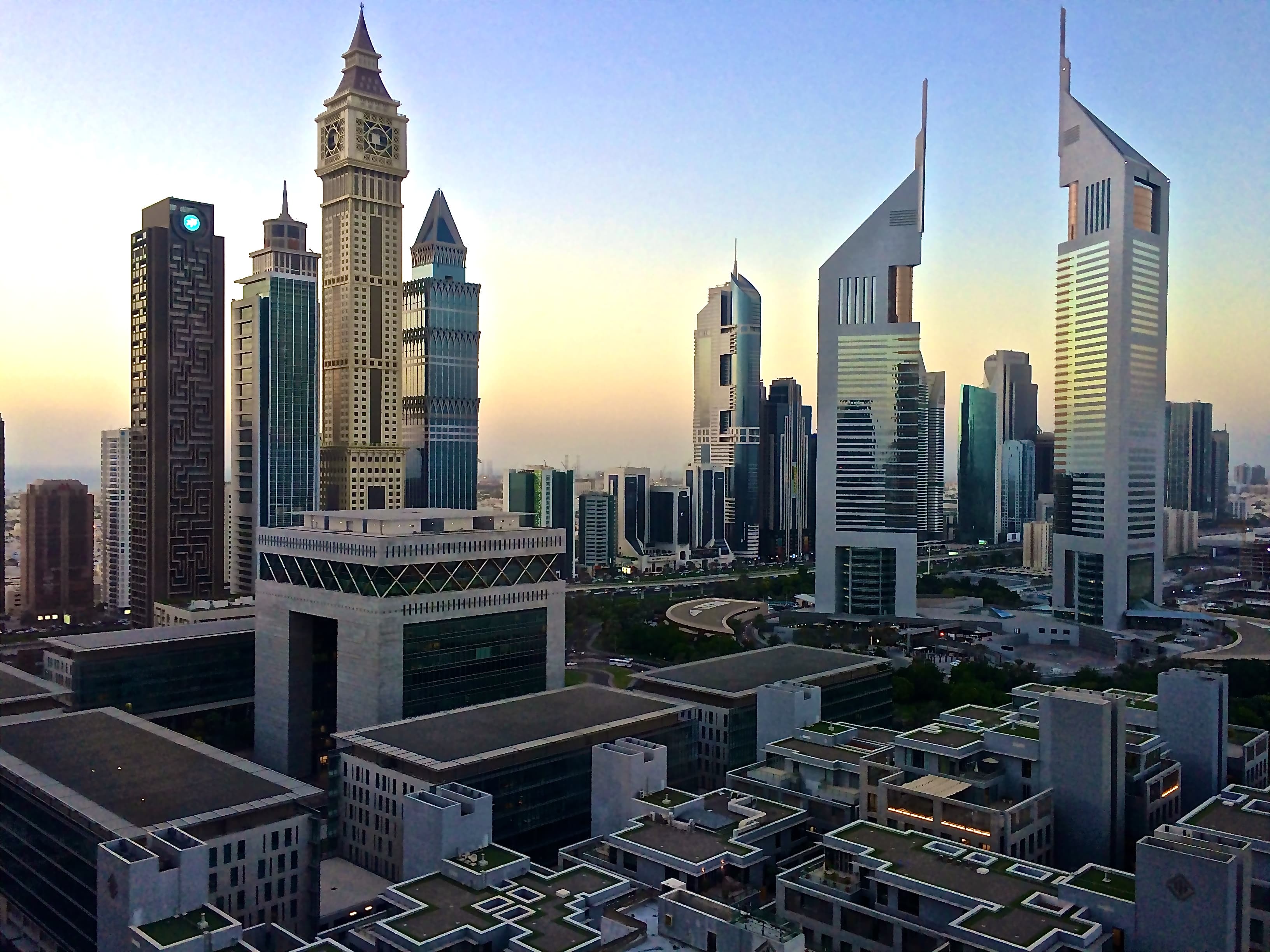
Dubai International Financial Centre (DIFC) surpassed 10,000 active registered companies for the first time in its history, closing the first half of 2026 with 10,018 firms on its books, a 30 per cent increase year-on-year. The centre added 2,318 new active companies over the past 12 months as banks, asset managers, technology firms and professional services groups continued to expand their presence in Dubai.
Sheikh Maktoum bin Mohammed bin Rashid Al Maktoum, First Deputy Ruler of Dubai, Deputy Prime Minister, Minister of Finance and President of DIFC, said the results reflected continued confidence in Dubai's regulatory framework and its role as a gateway to regional and global growth opportunities. He linked the milestone to the Dubai Economic Agenda D33, which aims to position Dubai among the world's top four global financial centres. DIFC also rose to seventh place globally in the Global Financial Centres Index, retaining its ranking as the highest-rated financial centre across the Middle East, Africa and South Asia region.
Regulated financial services companies grew 16 per cent to 1,134, while wealth and asset management businesses rose 35 per cent to 592 and banking and capital markets firms increased 13 per cent to 327. DIFC also kept its position as the region's largest insurance and reinsurance hub, with gross written premiums reaching $4.2 billion in 2025. New arrivals during the first half included trade credit insurer Allianz Trade Middle East, hedge fund Arrowpoint Investment Partners and Bank of Canada, while alternative asset manager Blackstone is preparing to open a Dubai office.
Growth Holds Firm Despite Regional Conflict, as AI and Wealth Firms Surge
The expansion came even as a conflict involving the United States, Israel and Iran disrupted aviation, trade, tourism and investor sentiment across the Gulf earlier in the year, testing Dubai's reputation as a regional safe haven for capital. Authorities pledged 2.5 billion dirhams in support measures, mostly directed at the tourism and retail sectors, while DIFC introduced its own relief steps for tenant companies, including flexible rental arrangements, licence-renewal instalment plans and grace periods on administrative fees to ease cash-flow pressure during the disruption.
The centre's fastest-growing segment was its innovation ecosystem: AI, FinTech and innovation companies climbed 39 per cent year-on-year to 1,933, after DIFC's Innovation Hub added 361 new firms in the first six months of the year. DIFC has outlined plans to become the world's first "AI-native" financial centre by embedding artificial intelligence across its regulation, operations, infrastructure and talent programmes, a transformation it projects could generate $3.5 billion in economic value and create 25,000 jobs. Family-related entities rose 36 per cent to 1,408 and foundations climbed 67 per cent to 1,409, reinforcing DIFC's role as a regional hub for private wealth and succession planning. Arif Amiri, Chief Executive Officer of DIFC Authority, said the centre was seeing strong momentum across its major financial services segments, while Essa Kazim, Governor of DIFC, said the results showed continued appetite among global institutions, capital and talent for access to high-growth markets across the region. DIFC Square, a 600,000-square-foot office development, was fully pre-leased ahead of completion, and the centre launched its next phase of physical expansion with the new DIFC Zabeel District.