Dubai has approved a major infrastructure project designed to significantly improve traffic flow and support the emirate's continued population and economic growth. The initiative forms part of an AED18 billion development package approved by Sheikh Hamdan bin Mohammed bin Rashid Al Maktoum, Crown Prince of Dubai, Deputy Prime Minister, Minister of Defence, and Chairman of The Executive Council of Dubai.
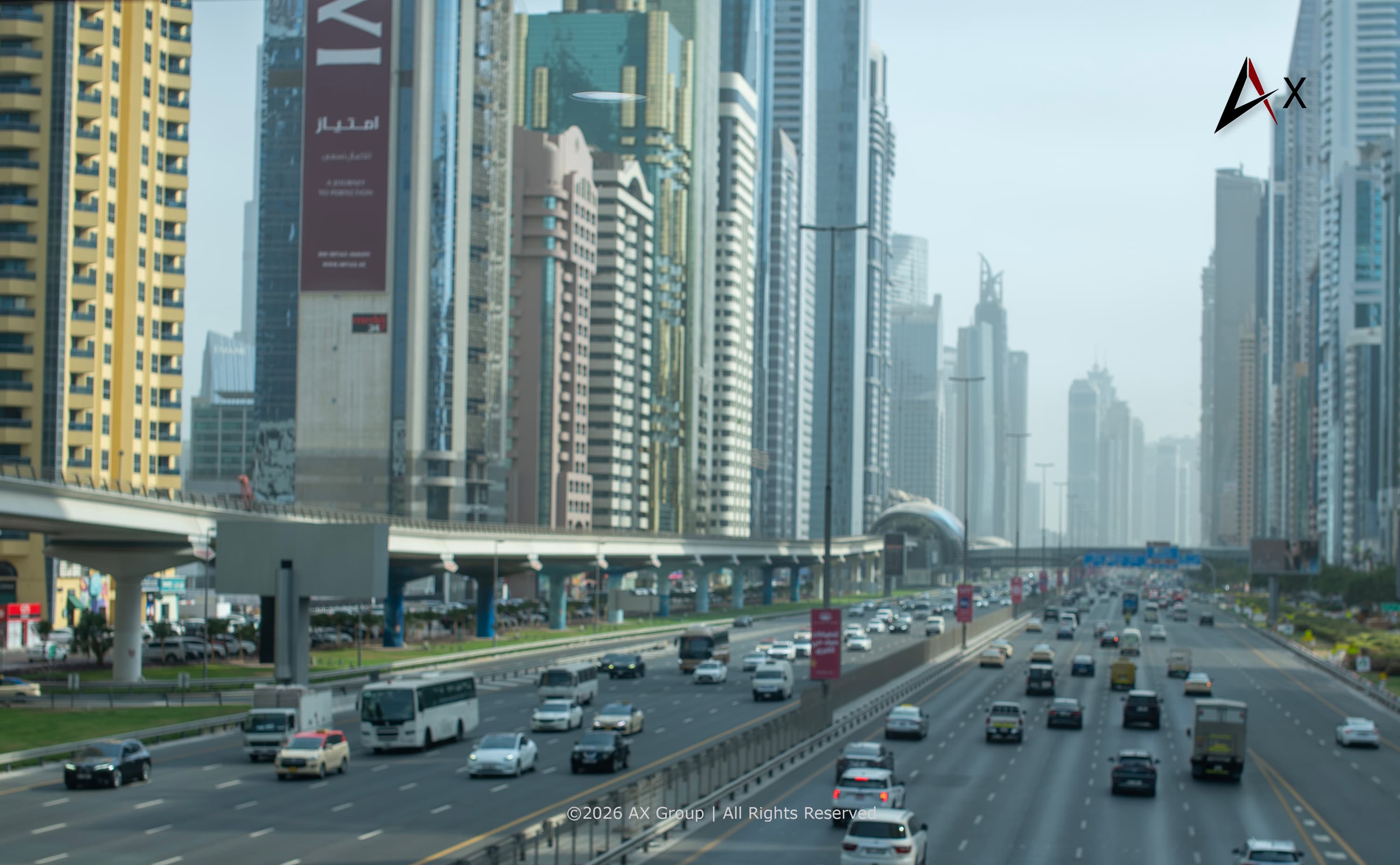
At the centre of the programme is the First Al Khail Street Development Plan, which will deliver a new 15-kilometre elevated carriageway running parallel to Sheikh Zayed Road—one of Dubai's busiest transport corridors. The new route will feature three lanes in each direction and is expected to improve traffic flow for commuters travelling between the city's key residential, commercial, and business districts.
Construction is scheduled to begin in the third quarter of 2027, with completion targeted for the fourth quarter of 2030. Authorities said advanced construction methods and modern technologies will be used throughout the project to minimise disruption to existing traffic while work is underway.
Once completed, the new roadway is expected to serve approximately 2.6 million residents and significantly enhance connectivity to major districts including Al Barsha, Al Quoz, Business Bay, and Meydan. These areas are home to a mix of residential communities, commercial centres, educational institutions, and industrial facilities, making them among Dubai's busiest daily travel destinations.
The project is also expected to increase road capacity by approximately 9,000 vehicles per hour, helping to reduce congestion during peak travel periods while improving journey times across the city.
Beyond easing traffic on Sheikh Zayed Road, the development is designed to strengthen Dubai's transport network and accommodate the emirate's growing population as it continues to expand its role as a global business, tourism, and investment hub.
The road project forms part of a broader package of strategic initiatives covering infrastructure, culture, artificial intelligence, investment, Emiratisation, customs, and public finance. Other key approvals include the Dubai Population Now real-time population monitoring platform, the Dubai Investor Register, the Dubai Cultural Strategy 2033, and the Dubai Customs Strategy 2030.
Together, these initiatives support Dubai's long-term vision of creating a smarter, more connected, and sustainable city while ensuring infrastructure keeps pace with future economic development and population growth.